Planning edition: September 19, 2026. Fall color is a moving target. This guide helps you choose a region, build a manageable route, and check official reports before committing to a trip. It is not a live forecast or a guarantee of peak color.
Start with our interactive U.S. fall destination planner, then use the regional options below to turn inspiration into an itinerary.
Choose the trip before choosing the date
Start with the experience you want: mountain aspens, small-town roads, lake views, or forest overlooks. Then choose one base with enough nearby alternatives for a cloudy day or a change in color. A short trip is more enjoyable when you spend your daylight outside the car.
| Region | Trip focus | Check before booking |
|---|---|---|
| Colorado | Aspens and mountain scenery | Elevation, road weather, park entry and shuttle reservations |
| New England | Village stops and forest drives | Regional foliage reports, road access and parking |
| Michigan / Great Lakes | Lakeside stops and fall drives | Upper vs. Lower Peninsula conditions and driving distances |
| Shenandoah / Great Smokies | Overlooks and wooded routes | Elevation, current park alerts and busy fall weekends |
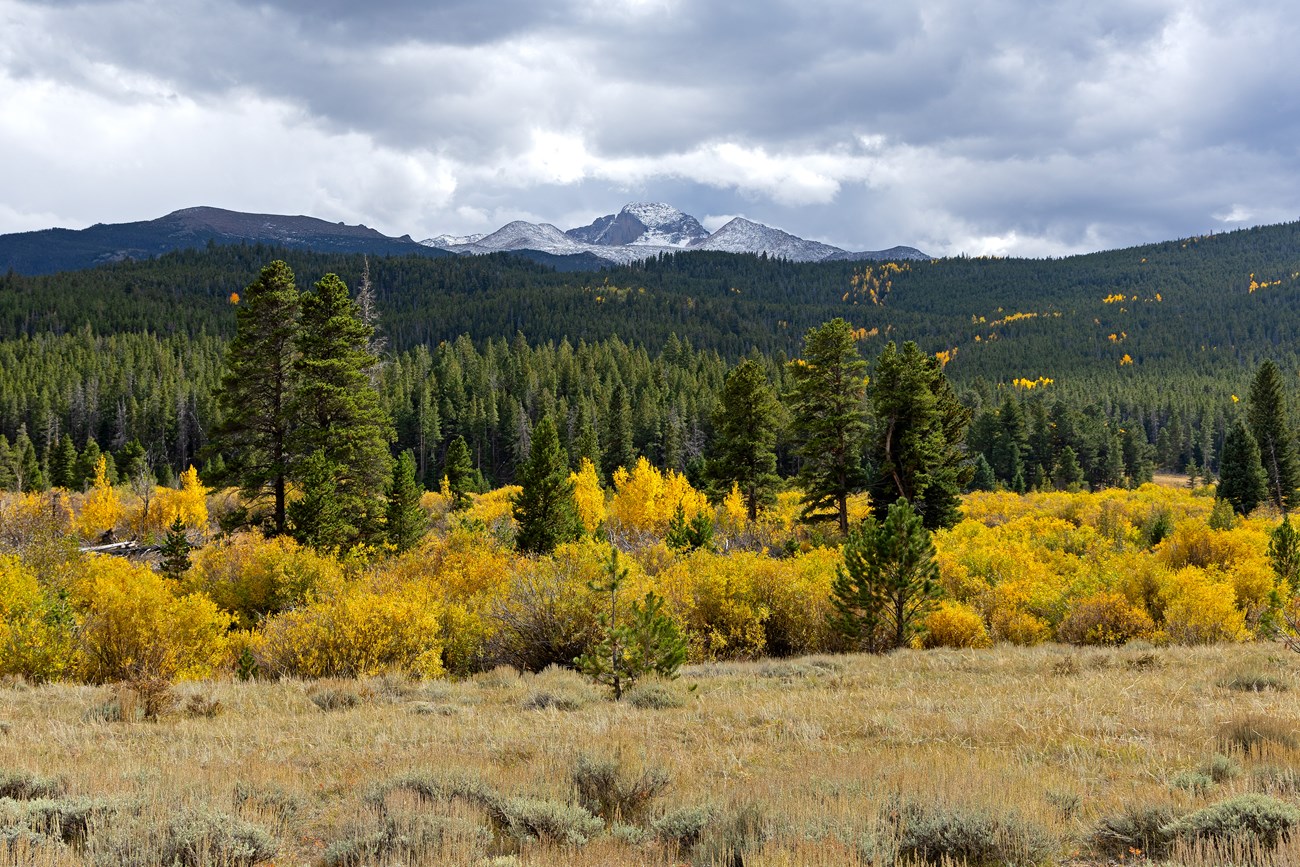
Colorado: choose one mountain base
For a first Colorado foliage trip, compare two different plans: Rocky Mountain National Park from the Estes Park area, or an Aspen-area visit centered on Maroon Bells. These are separate trips for a short weekend; avoid treating them as neighboring stops.
Rocky Mountain National Park describes September and October as its fall-color season, with weather and elevation affecting the timing. Check its official fall planning guide for entry requirements and road updates. Keep a lower-elevation backup if high-country weather changes.
For Maroon Bells, the Forest Service says reservations are required for shuttle or personal-vehicle access. Confirm the arrangement for your date through the official Maroon Bells Scenic Area page before booking a hotel around a hoped-for visit. Bring water and layers, and allow yourself time to adjust to the altitude.
A flexible two-night outline
- Arrival day: settle into your chosen base, buy supplies, and review tomorrow's weather and access rules.
- Full day: make one confirmed park or scenic-area visit your anchor. Add a short walk only if conditions, parking and your energy allow.
- Departure day: choose an easy nearby stop rather than a second distant mountain destination.
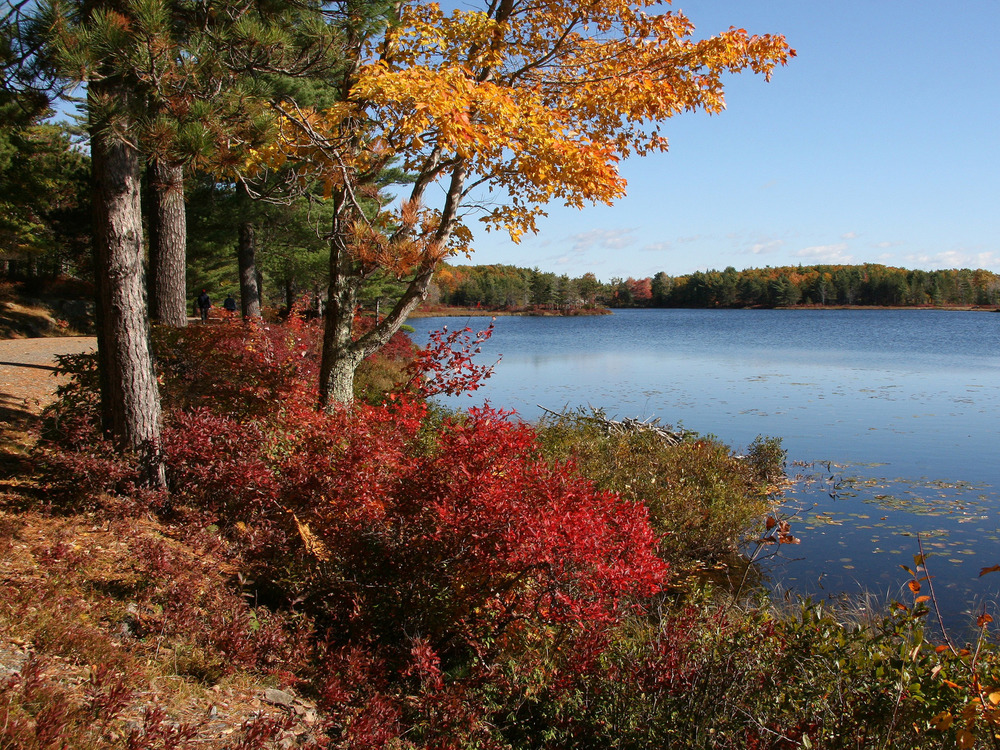
New England: start with a compact White Mountains trip
A New England itinerary does not need to cover every state. For a short trip, choose one base in New Hampshire and use the official foliage tracker to decide which area deserves your time. Use its linked road-trip resources to compare routes, then check the specific road and attractions you plan to visit.
Lincoln or Conway can be starting points for researching a White Mountains stay. Compare their location against your actual stops before reserving. Treat the drive between stops as part of the outing: leave room for parking, meals and daylight, and do not stop on a road shoulder simply because the view looks good.
A practical weekend rhythm
- Friday: reach your base and keep the evening local.
- Saturday: choose one scenic drive and a small number of legal pullouts or walks. Keep an indoor or town-based alternative for poor weather.
- Sunday: explore near your accommodation before heading home.
For a longer trip, add Vermont or Maine only after checking current local conditions and travel time. A statewide peak date is too broad to tell you what one road will look like.
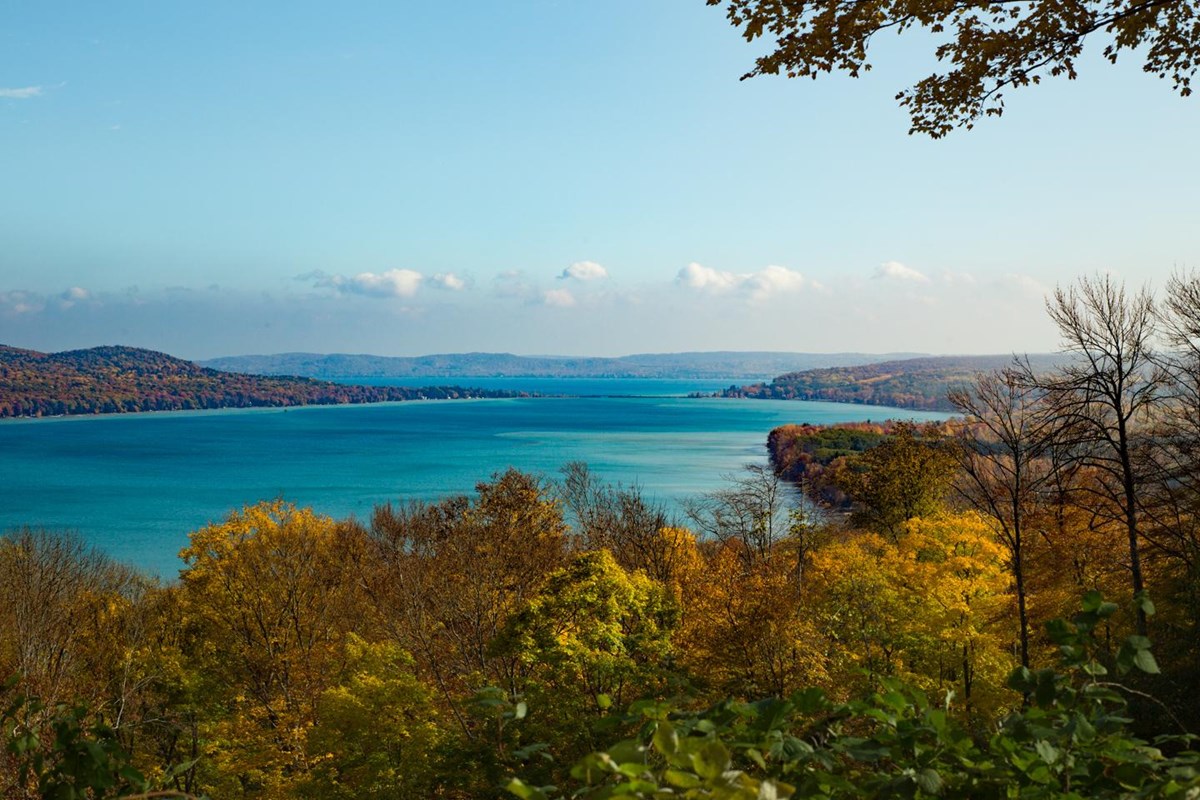
Midwest: narrow a Great Lakes trip to one region
Michigan makes a useful starting point for a Great Lakes foliage itinerary. The Upper and Lower Peninsulas can be at different stages, so compare the regional information and color map linked from Pure Michigan's official fall guide. A good report in one part of the state is not a forecast for the entire state.
Decide whether your priority is a lakeshore, a small town, or forest scenery. Pick accommodation near that priority and build a loop you can comfortably finish in daylight. If you are driving from Chicago or another distant city, count the outbound and return travel as part of the trip rather than as free time.
Use a simple route filter
- Choose one peninsula or local region for a short break.
- Save two or three stops close together and confirm public access.
- Keep one nearby alternative if rain, wind or crowds change your plan.
- Compare total driving time before adding a second overnight base.
New York: choose a single foliage region
For a short New York trip, choose one base in the Catskills, Adirondacks or Hudson Valley rather than trying to combine all three. Compare the drive from your starting point and the kind of outing you want: wooded walks, small-town stops or a scenic loop.
| Day | A manageable plan |
|---|---|
| Friday | Arrive at your base and choose tomorrow's main route. Keep dinner local. |
| Saturday | Plan one scenic drive with two or three legal stops and a walk suited to your group. |
| Sunday | Leave room for a nearby town or overlook before the drive home. |
New York's official foliage reports vary by region and reporting date. Use a recent regional report as a departure check, then confirm road access and parking for the exact stops you choose. This page is a trip planner, not a live color forecast.
Looking later in the season?
Shenandoah's fall season extends broadly from late September into November, but its elevations do not change together. The park's fall updates and webcams are a better departure check than a fixed peak date.
In Great Smoky Mountains National Park, color generally starts earlier at higher elevations; lower and middle elevations often see their strongest display from mid-October into early November. Read the official fall-color guide and current park alerts. Check parking-tag requirements and leave extra time during the busy October season.
Watch: fall in Shenandoah
This National Park Service video explains autumn in the park. It is general visitor information, not a live foliage feed.
Video and current visitor information: National Park Service
Before you book: a five-minute checklist
- Color: read a dated official regional update close to departure.
- Access: confirm reservations, entry rules, road closures and parking.
- Accommodation: compare the full price, location, cancellation deadline and parking arrangements.
- Daylight: leave a realistic margin for stops and the drive back.
- Packing: bring layers, a rain shell, water, comfortable footwear, an offline map and a charging cable.
Affiliate disclosure: we may earn a commission when you book or buy through the following links, at no extra cost to you. As an Amazon Associate I earn from qualifying purchases.
Compare accommodation on Booking.com or Expedia. Check what you already own before browsing travel essentials on Amazon.
PLAN YOUR NEXT STEP
Compare your options.
Affiliate links: we may earn a commission at no extra cost to you. As an Amazon Associate I earn from qualifying purchases.
A stay that fits your route
Compare location, room details and cancellation terms for your dates.
Compare stays on Booking.comSee your travel options
Review the total cost and what is included before choosing a hotel or package.
Explore options on ExpediaFill the gaps in your kit
Check what you own first, then compare the items you still need.
Browse gear on AmazonEnter your destination and dates on the partner site. Availability, prices and cancellation terms vary by listing.
Frequently asked questions
What is the best day to see fall color in 2026?
There is no reliable single date for the entire United States, or even for many individual parks. Use this guide to choose a region and then check local reports before leaving.
Is the homepage map live?
No. It highlights trip destinations and links to official information. Its colors are not real-time foliage measurements.
Should I book around a peak-color prediction?
Treat a prediction as one input. Consider access, weather, travel time and cancellation terms, and choose a destination you would still enjoy if the leaves were early or late.
Back to the fall destination planner →
Official sources and current-condition checks (external)
These optional reference links open in a new tab. They lead to public agencies and tourism organizations, not this blog.